

अ-विचार
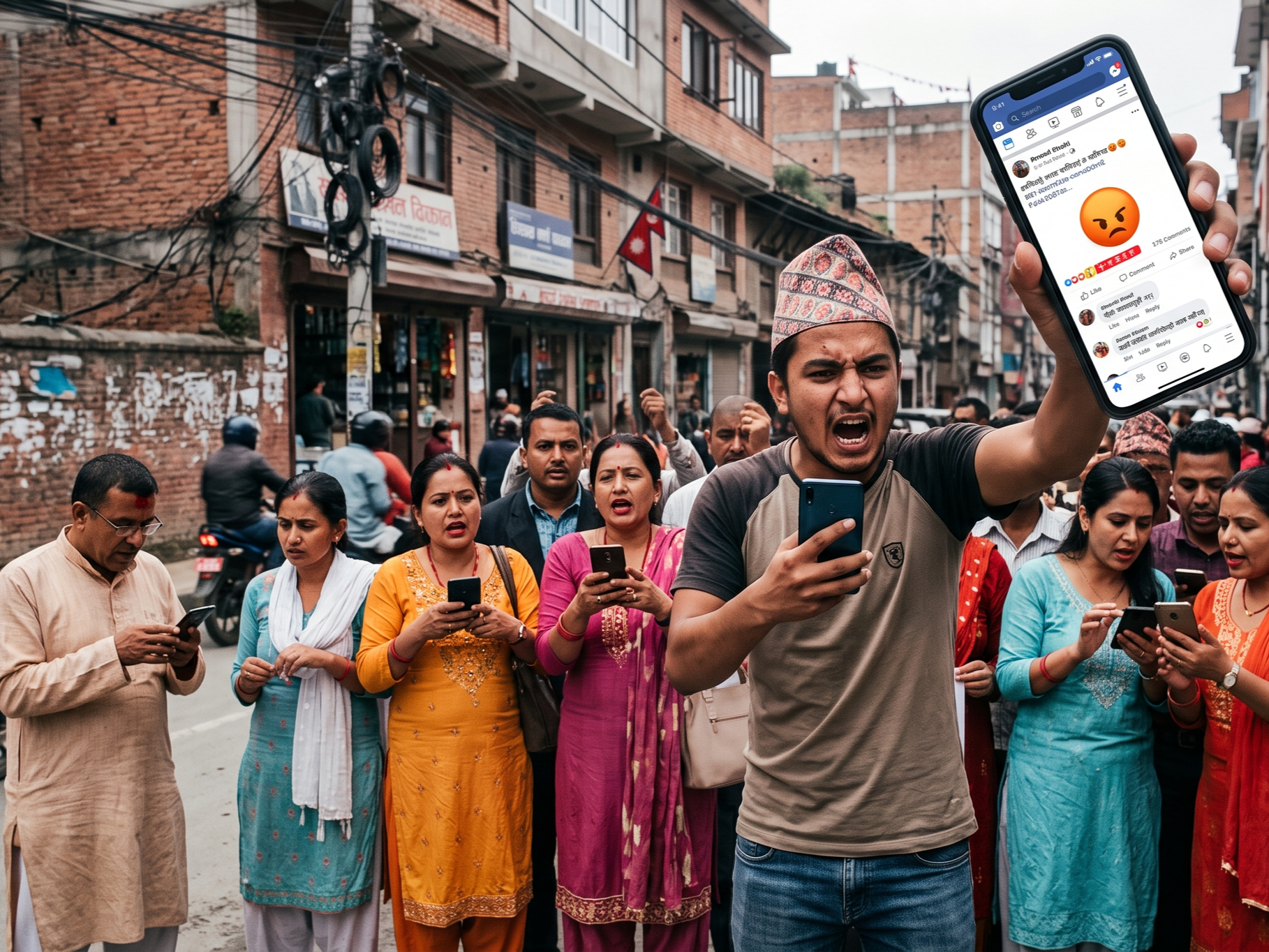
निस्सन्देह, लोकतान्त्रिक समाजमा राय राख्ने "अधिकार" सबैलाई छ। त्यसैले त आजभोलि इन्टरनेटमा जे पनि खुलेआम बोल्ने, आलोचनात्मक कसीमा नखारिएका पोडकास्टको भीड देखिन्छ। तर राय बाँड्ने "अधिकार" हुनुको अर्थ राय “बाँड्नै पर्छ" भन्ने हो र ? कहिलेकाहीँ मलाई लाग्छ — कुनै विषयमा विभिन्न कोणबाट पर्याप्त गहिरो नसोचेको भए, सामूहिक हितका लागि हामीले आफ्नो थुतुनो बन्द गरे हुन्छ। यसो गर्दा पहिल्यै हल्लाले भरिएको सार्वजनिक वृत्तमा थप हल्ला थपिँदैन। तर पक्कै पनि, यो पनि मेरै राय हो। कसैको मुख थुन्ने मेरो मनसाय होइन; यो केवल सुझाव मात्र हो। मुख्य कुरा के हो भने — सतही रायभन्दा अलि सूक्ष्म र बहुआयामिक राय बनाउने प्रयास कम्तीमा गरौं; विशेषतः संवेदनशील र गम्भीर विषयमा। अनि त्यस्तो सूक्ष्म राय बनाएर पनि तपाईं गलत ठहरिनुभयो भने (मानिस प्रायः गलत हुन्छन्), त्यो कुरा खुलाउने र आफू गलत थिएँ भनी स्वीकार्ने बौद्धिक इमानदारी तपाईंमा हुनुपर्छ। त्यसपछिको पाइला भनेको आफ्नो राय सच्याउनु वा अद्यावधिक गर्नु हो। गलत हुनु ठीकै हो, तर कम्तीमा त्यसबारे इमानदार त बनौं, र आफू पनि गल्ती गर्न सक्ने प्राणी हो भन्ने चेत त राखौं। म व्यक्तिगत रूपमा त्यस्ता अन्धाधुन्ध रायलाई "अ-विचार" (नन-थट) भन्छु — माफ गर्नुहोला, तपाईंले भर्खर जे फलाक्नुभयो, त्यसबारे तपाईंले सोचेकै छैन। दुर्भाग्यवश, हामी अहिले "अ-विचार"को युगमा बाँचिरहेका छौं।
Non-thought
Of course, everyone has the "right" to have opinions in a democratic society, and that is why we see so many uncritical podcasts on the internet these days freely talking about all sorts of things. But does the "right" to share opinions mean that you "ought" to share one? Occasionally I tend to think that if we haven't thought about a topic deeply enough from different angles, we should just shut the fuck up for the greater good. This would add less noise to the already noisy public sphere. But of course, that is also my opinion. I don't intend to silence people; it's merely just a recommendation. The point is to at least try to have a more nuanced opinion than a superficial one -- especially on sensitive and grave topics. And despite having a nuanced opinion, say you are wrong (humans often are wrong), you need to have the intellectual honesty to disclose it and admit that you were wrong, then the next step would be to correct or update your opinions. It's okay to be wrong but at least be honest about it and at least be aware of your own fallibility. I personally call such haphazard opinions "non-thought" -- I am sorry, you have not thought through whatever you just blurted out. Unfortunately, we currently live in an age of "non-thought".
बुद्ध नेपाली थिएनन्
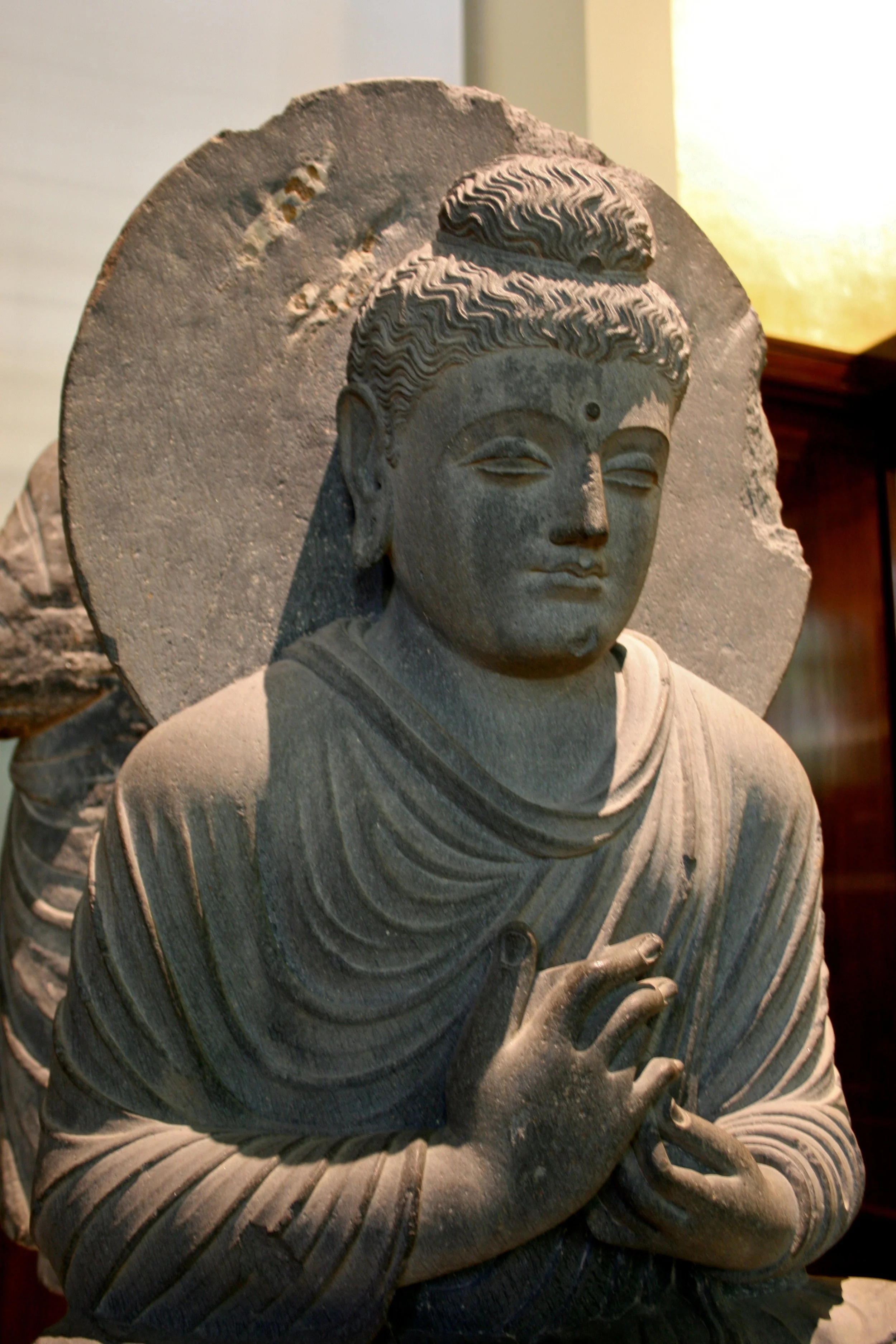
इतिहासले बारम्बार देखाउने कुरा यही हो — परम्पराले दाबी गर्ने कुरा र प्रमाणले पुष्टि गर्ने कुराबीचको खाडल। जन्मका शाब्दिक कथा, मिथकीकृत उत्पत्ति र प्राचीन गुरुहरूको दैवी पूर्णतामा टाँसिइरहनुले हाम्रो बुझाइलाई हामी जन्मनुभन्दा धेरै अघि नै तोडमोड गरिएका राजनीतिक कालक्रमसँग बाँधिदिन्छ। बरु ऐतिहासिक मिथकलाई दार्शनिक ज्ञानबाट अलग गर्नु उत्तम हो। सन्देशवाहकको देवत्वकरण गर्न छाडेपछि विकृतिहरू फ्याँकेर काम लाग्ने कुरा मात्र राख्न सकिन्छ — बुद्धको दुःख र त्यसको निवारणसम्बन्धी विश्लेषण।
Buddha was not Nepali
What modern critical history keeps showing is a gap between what tradition asserts and what the evidence supports. Clinging to literal birth stories, mythologized origins and the divine perfection of ancient teachers ties our understanding to political timelines that were manipulated long before we were born. The better move is to decouple historical myth from philosophical wisdom. Let go of deifying the messenger and you can discard the distortions while keeping what is useful — the Buddha’s account of suffering and its dismantling, Jesus’s insistence on empathy and the protection of the marginalized.
भारतीय दर्शनमा हराएका नास्तिक परम्परा
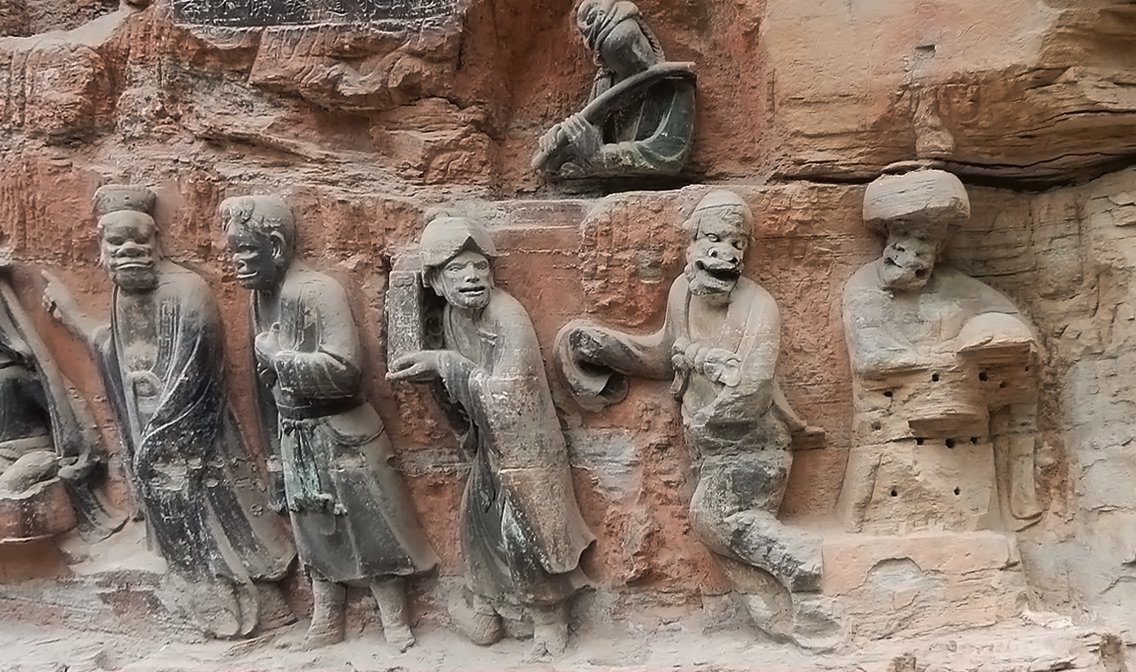
वैदिक परम्परा सर्वसाधारणका लागि खुला थिएन; ती केवल ब्राह्मणहरू मार्फत आउँथे, जसले यस विषयमा वंशानुगत र दैवी अधिकार भएको दाबीगर्थे। मनुस्मृति जस्ता ग्रन्थअनुसार, वैश्य अर्थात् व्यापारी वर्ग वा शूद्र अर्थात् अछुतले चारै वेद पढे पनि ‘चतुर्वेदी’ बन्न सक्दैनथे। त्यो ब्राह्मण पुरुष नैहुनुपर्थ्यो, र मनुस्मृतिले ब्राह्मण बन्न अत्यन्त कठोर र पीडादायी नियम तथा परम्परा तोकेको छ—जसको सुरुवात नै वंश र जन्मबाट हुन्छ। त्यसैले इपूसातौँ वा छैटौँ शताब्दी आसपास भारतीय उपमहाद्वीपमा केही नास्तिक विचारधाराहरू देखा परे। यो काल श्रमण वा समान आन्दोलनको उदयलेचिनिन्छ—परम्परागत रूपमा द्वारपालित वैदिक कर्मकाण्डवाद, अर्थात् ब्राह्मणवाद, बाट टाढा जाने एक प्रकारको वैकल्पिक दार्शनिक मोड। यीप्रतिपक्षी विचारहरूमा चार्वाक, आजीविक, अज्ञान, जैन र बौद्ध विचार पर्थे। यी कुलीन वंशपरम्पराले नियन्त्रण गर्ने गरी बनेका थिएनन्; जात वा वर्गजेसुकै भए पनि सबैका लागि पहुँचयोग्य थिए।
The lost atheistic schools in Indian philosophy
Vedic traditions were not accessible to the common public and only came through Brahmins, who claimed to have an inherited and divine authority on the matter. For instance, according to scriptures such as the Manu Smriti, a Vaisya (merchant class) or a Sudra (untouchable) could not become a “Chaturvedi” even if they read all four Vedas. It had to be a Brahmin man, and the Manu Smriti provides extremely rigorous and painful rules and traditions for becoming a Brahmin—it starts with inheritance and birth. Thus, around the 7th or 6th century BCE, some atheistic schools of thought emerged in the Indian subcontinent. This era was marked by the advent of the Sramana (or Samana) movement—a sort of heterodox philosophical shift away from traditional gatekept Vedic ritualism, also known as Brahminism. These opposing ideas included Charvaka, Ajivika, Agyana, Jainism, and Buddhism. They were not designed to be gatekept by a lineage of elites and were accessible to all regardless of caste or class. Buddhism and Jainism stood out among atheistic Sramana thought and became more popular, spreading further as they received endorsement from powerful kingdoms (for example, the Maurya king Ashok adopting and evangelizing Buddhism) and influential merchant classes. But Charvaka, Ajivika, and Agyana are not as well-known because their original texts perished gradually around the medieval era, though recollections and discussions of them exist in later secondary Hindu, Buddhist, and Jain texts. In this blog, I will focus only on Charvaka, Ajivika, and Agyana philosophy. Buddhist, Jain, and Samkhya ideas deserve their own blogs.

भाग १ — मन र चेतनाबारे सबैभन्दा बलिया प्रतिस्पर्धी विचारहरू
मेरी (Mary) को प्रसिद्ध विचार-प्रयोग लिऔँ, जो एउटा सेतो-कालो कोठामा थुनिएकी एक स्नायुवैज्ञानिक हुन्। उनले रातो रङबारेको हरेक भौतिक र गणितीय तथ्य सिकेकी छन् — निश्चित तरंगदैर्घ्य, विभिन्न रंगछायाका कोड, रातो बनाउन अन्य रङ मिसाउने नियम, इत्यादि — तर उनले आफैँले रातो रङ कहिल्यै देखेकी छैनन्। यदि उनी एक दिन बाहिर निस्केर रातो देख्छिन् भने, प्रश्न यो हो — के उनले केही नयाँ सिक्छिन्? यो प्रयोग (“ज्ञान तर्क” — knowledge argument) मूलतः दार्शनिक फ्र्यांक ज्याक्सन (Frank Jackson) ले सन् १९८२ मा भौतिकवादविरुद्धको तर्कका रूपमा रचेका थिए — यसको अन्तर्ज्ञान यो हो कि मेरीले केही नयाँ सिक्छिन्, जसले भौतिक तथ्यहरूले मात्र सचेत अनुभवबारे सबै कुरा समेट्दैनन् भन्ने अर्थ दिन्छ। सहज रूपमा, हामीमध्ये अधिकांश “हो” भन्नतर्फ ढल्किन्छौँ, किनकि हामी आफ्ना आत्मपरक अनुभवलाई महत्त्व दिन्छौँ।

मन, चेतना र जीवविज्ञानका बारेमा
मेरो लक्ष्य यी विचार र तर्कहरूलाई सबैका लागि सुलभ बनाउनु हो, किनकि म आफैँ पनि यिनका बारेमा निरन्तर सिकिरहेको छु; मलाई लाग्छ, प्रत्येक सचेत प्राणी आफैँमा एउटा प्रयोगशाला हो र आफ्ना अनुभव के हुन् भनेर तिनका पछाडिको संयन्त्र जेसुकै भए पनि अन्वेषण गर्ने अधिकार राख्छ। सबैसँग मेरो एउटै अनुरोध छ — त्यो अन्वेषणका क्रममा अलि बढी व्यवस्थित र इमानदार हुनुहोस्; अन्यथा हाम्रा विचारहरू धेरै हल्लाले धमिलिनेछन्, जसले अन्ततः ज्ञान, बुझाइ र प्रज्ञा प्राप्त गर्ने हाम्रो लक्ष्यलाई नै अलमल्याउनेछ। मलाई दृढ विश्वास छ — विषय जेसुकै होस्, तपाईं जुनसुकै संस्कृति वा भूगोलका होऊन्, कुनै पनि प्रकारको ज्ञान र बुझाइका लागि विचारको स्पष्टता अत्यावश्यक छ।
Part I — The strongest competing ideas on mind and consciousness
Take the famous thought experiment of Mary, a neuroscientist trapped in a black-and-white room. She has learned every physical and mathematical fact about the color red — specific wavelengths, codes for different shades, rules for mixing other colors to create red, and so forth — but has never seen the color red herself. If she steps outside one day and sees red, the question is: does she learn something new? This experiment (the “knowledge argument”) was originally devised by philosopher Frank Jackson in 1982 as an argument against physicalism — the intuition being that Mary does learn something new, which would imply that physical facts alone don’t capture everything about conscious experience. Intuitively, most of us are inclined to answer “yes”, because we give importance to our subjective experiences.
On mind, consciousness and biology
My goal is to make these ideas and arguments accessible for everyone as I continually learn about them myself, as I think any conscious being is a lab on their own and has the right to explore what their experiences are regardless of the mechanisms behind them. My one appeal to everyone is to be a bit more systematic and honest during that exploration; otherwise, our thoughts will be obscured by a lot of noise which will end up confounding our goal of attaining knowledge, understanding and wisdom. I firmly believe clarity of thought is vital for knowledge and understanding of any kind, regardless of the topic, no matter what culture or geography you are from.

गरुड पुराणमा पृथ्वी–सूर्य दूरी र ध्यानजन्य ‘अतिचेतना’ (सङ्क्षिप्त)
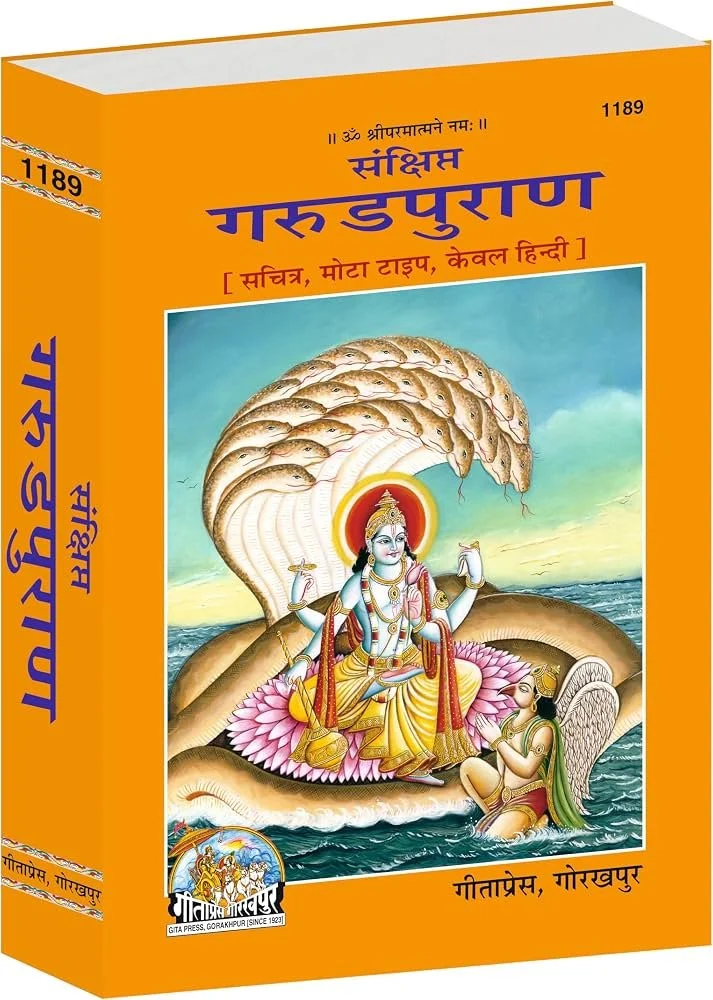
“पहिलो समस्या— किताबै गलत। गरुड पुराण त मृत्यु–संस्कारमा पढिन्छ; यसले उल्लेख गर्ने एकमात्र दूरी आत्माले मृत्युलोक (यमलोक) पुग्ने बाटो हो— छयासी हजार योजन। सूर्यको कुनै कुरै छैन। मानिसहरूले उद्धृत गर्ने ‘सूर्य’वाला हरफ त हनुमान चालीसाको हो— झन्डै सन् १६०० मा लेखिएको भक्ति–कविता, बल्ल ४०० वर्ष पुरानो, अनि संस्कृतमा होइन, अवधी बोलीमा। त्यसैले दाबी पहिलो खुड्किलामै ढल्छ— किताब पनि गलत, अनि आधुनिक।”
Did Ancient Scripture Measure the Sun — and Can Monks Flatten Their Brain Waves? (Short version)
“The first problem is that it is the wrong book. The Garud Puran is read during death rites, and the only distance it mentions is the road a soul travels to Yamalok, the land of the dead — eighty-six thousand yojanas. Nothing about the Sun. The “Sun” line people quote is actually from the Hanuman Chalisa, a devotional poem written around 1600 CE — barely four hundred years ago — and in Awadhi, an everyday spoken language, not ancient Sanskrit. So the claim fails at the very first step: wrong scripture, and a modern one at that.”
गरुड पुराणमा पृथ्वी–सूर्य दूरी र ध्यानजन्य ‘अतिचेतना’
गरुड पुराणभित्र, दोस्रो खण्ड— जसलाई प्रेत कल्प वा प्रेत खण्ड भनिन्छ— मृत्यु–संस्कार र परलोकलाई समर्पित छ। अनुवादअनुसार फरक पर्न सक्छ, तर सामान्यतया अध्याय ३३, श्लोक ३ मा कुनै दूरीको नाप उल्लेख हुन्छ। त्यहाँ भगवान् विष्णु गरुडलाई भन्छन्— ‘मानव लोक र यमलोकबीचको मार्ग नापअनुसार छयासी हजार योजन लामो छ।’ गरुड पुराण सारोद्धार— मूल ग्रन्थको संक्षिप्त रूप— मा यही कुरा अध्याय २, ‘यमको मार्गको वर्णन’ मा यसरी आउँछ— ‘वैतरणीबाहेक यमको मार्ग छयासी हजार योजन लामो छ।’ यही संस्करणले आत्माले यमलोक पुग्न दिनको ठ्याक्कै २४७ योजन यात्रा गर्ने पनि उल्लेख गर्छ। ८६,००० लाई २४७ ले भाग गर्दा ३४८ दिन आउँछ— यसैकारण गरुड पुराणले सुरुमा झन्डै वर्षभरि नै किरिया–प्रथा गर्न सिफारिस गरेको थियो, दैनिक पाठसहित— उद्देश्य थियो, मृतकको आत्मा यमलोक नपुगुन्जेल ती ३४८ दिन पर्खने। पछि क्षेत्रीय विद्वान्हरूले यसलाई १३ हप्ता र अन्ततः १३ दिनमा घटाए, किनभने मानिसको जीवन व्यस्त हुँदै गयो र वर्षभरिको किरिया–प्रथा व्यावहारिक रहेन।
Garud Puran, distance from earth to sun, and meditation
It is very easy to make absurd claims — yet look at how much work it took just to get to the bottom of these few. Don’t feel bad about that asymmetry; I happen to be a weird guy who enjoys the mental exercise. Picking apart claims I’m skeptical of is, for me, a way of thinking better. It is also why this blog is called Sandehakari — doubt first, then find out. I approached these claims by giving the people making them the benefit of the doubt rather than dismissing them outright. Then I examined the claims on their own terms, looked up the sources they pointed to (here, the Sanatan/Hindu scriptures), and checked whether their logic held and whether they contradicted their own stated knowledge.

भिसा भाग २
यदि तपाईं $5,000 भन्दा कम GDP per capita भएको मुलुकका हुनुहुन्छ भने, कम्तीमा ५० मुलुकमा भिसारहित यात्रा गर्न पाउने सम्भावना झन्डै दुई-तिहाइ (६७%) रहेछ — मैले सोचेजति खराब होइन। तर मापदण्डलाई Henley को मध्यमान अङ्क ८२ (कम्तीमा ८२ गन्तव्यमा भिसारहित पहुँच) सम्म बढाउँदा यो सम्भावना घटेर झन्डै ८% मा झर्छ (चित्र १)। र यदि तपाईंको मुलुक न्यून आय भएको हो — GDP per capita $1,146 भन्दा कम — भने ८२ सम्म पुग्ने सम्भावना व्यावहारिक रूपमा शून्य: तथ्याङ्कमा एउटै पनि न्यून-आय मुलुकले मध्यमान नाघ्दैन। त्यसैले यदि तपाईं ट्राभल भ्लगर बन्ने सपना देख्नुहुन्छ र मलावी (राहदानी: ~७० गन्तव्य) वा नेपाल (~३५) मा बस्नुहुन्छ भने, गणित निर्मम छ — वास्तविक पहुँच छ, तर विश्वव्यापी गतिशीलताको माथिल्लो आधा भागमा कहिल्यै होइन। तपाईंको विकल्प भनेको सबै थोक छाडेर, बलियो राहदानी भएको मुलुकमा बसाइँ सर्ने, वर्षौँसम्म त्यसको अर्थतन्त्रमा योगदान गर्ने र अन्ततः नागरिकता लिने हो। तर त्यतिबेलासम्म भ्लगिङको सपना सायद किनारा लागिसकेको हुन्छ। त्यो घर्षण र सङ्घर्षको कल्पना गर्नुहोस्।
भिसा भाग १
अधिकांश पश्चिमी दूतावास तथा वाणिज्य दूतावासमा मैले देखेको एउटा नैतिक दोहोरो मापदण्ड के हो भने, भिसा अन्तर्वार्ताका बेला आवेदकलाई कुनै गोपनीयता दिइँदैन; अरू पचास जना आवेदकका अगाडि नै हाम्रो आर्थिक अवस्था र व्यक्तिगत जीवनबारे प्रश्न सोधिन्छ। के यस्तै कुरा कुनै पश्चिमालीले स्विकार्थ्यो र? पक्कै पनि स्विकार्दैनथ्यो; उनीहरूका लागि त अधिकांश भिसा "ई-भिसा" वा "अराइभलमै भिसा" हुन्छन्। गरिब मुलुकमा जन्मिनुपरेको हाम्रो "दुर्भाग्य"ले गोपनीयता, मर्यादा र यात्राको हाम्रो अधिकार स्वतः खोसिएझैँ लाग्छ। भिसा अस्वीकृत भएपछि त सूचना र फिर्ताको हाम्रो अधिकारसमेत हुँदैन। भिसा आवेदनको खर्च कहिलेकाहीँ केही महिनाको तलबभन्दा बढी हुन्छ!

Necessary Evil: Visas part II
Think about it this way: how reasonable would it be to require citizens to carry passports just to travel between districts or cities within their own country? Imagine the friction, and the disparities in quality of life. By that logic, someone from Kathmandu could move freely across more than half of Nepal while someone of equal economic standing from Surkhet could not. How absurd would it sound for a New Yorker to need a passport to visit New Jersey or California? So how are nations really any different from cities when it comes to travel and migration? And if they are different, why do unions like the EU and the Schengen Area exist at all? I hold the radical view that visas, and the deliberate bureaucratic walls behind them, run against human nature. I tend to see them as an under-reported form of human rights violation, precisely because they fail to account for the moral failures of colonization and the asymmetrical resource extraction carried out by a powerful minority.

Necessary Evil: Visas part I
Another realization concerned the use of the terms “immigrant” and “expat.” An immigrant is usually presumed to be someone from a lower-income country who moves to an upper-middle- or high-income one for work and better opportunities. The same label is not applied to someone from a high-income nation who emigrates to a less wealthy country to live and work there; they are called “expats” or “nomads” instead. The term “immigrant,” I think, has evolved into a kind of pejorative — unless used purely descriptively — and now signals an unwarranted hierarchy born largely out of the consequences of colonialism. Something similar applies within international organizations: despite similar or even better qualifications, people from lower-income economies tend to be paid less than their wealthier counterparts for the same job description.
चेतनाको बारेमा
त्यसैले मस्तिष्क नै हाम्रो चेतन सजगता, व्यक्तित्व, स्मृति, रोजाइ, कार्य, रुचि र संवेदनशीलताको आसन हो भन्नेमा थोरै मात्र शंका छ। के ब्याक्टेरिया संवेदनशील छ? सायद छैन। के हामी छौं? हो, छौं — र त्यसको स्पष्ट जिम्मेवार हाम्रो मस्तिष्क हो।
अब, कोही-कोही “यो सबै मस्तिष्क हो” सुन्नेबित्तिकै विज्ञानले आफ्नो भित्री जीवनलाई नक्कली भनिरहेको ठान्छन् — र ठ्याक्कै यही डर गुरुहरूले फाइदा उठाउँछन्। त्यसैले म के होइन भन्दैछु, प्रस्ट पारौं। म तपाईंको अनुभव भ्रम हो, वा तपाईं “खाली रसायन मात्र” हो भन्दै छैन। तपाईंको भित्री जीवन पूर्ण रूपले वास्तविक छ — कल्पना, माया, शोक, संगीत, बिहानको चियाको स्वाद, सबै वास्तविक छन्। म त यति भन्दैछु कि यी मस्तिष्कले उत्पन्न गर्छ र मस्तिष्कबाट छुट्टिएर तैरिँदैनन्। पेटले पाचन उत्पन्न गरेजस्तै सोच्नुहोस्: पाचन वास्तविक छ, तर त्यो पेटमाथि तैरने छुट्टै पदार्थ होइन — त्यो त पेटले गर्ने काम हो। चेतना मस्तिष्कले गर्ने काम हो: एउटा साँचो, प्रथम-पुरुष अनुभव जुन एकैसाथ पूर्ण रूपले जैविक प्रक्रिया पनि हो — कुनै दोस्रो, प्रेतात्मक पदार्थको आवश्यकता छैन।
On Consciousness
“You are what your brain makes you, and your brain is nothing but the generator of your ‘self.’”
Most people know the nature-versus-nurture debate. To understand identity in the broadest sense, replace the “versus” with “and” — it is nature and nurture, because the two aren’t mutually exclusive. By nature I mean what’s largely outside human control — our genetic makeup, how the nervous system develops in the womb, diseases or injuries around birth or later. By nurture I mean the influence of society — the community we’re born into, our parents, our friends, our relationships. As we grow, the brain processes all this while still developing, and it processes it differently for everyone, because every brain is similar yet very different. These intricate interplays — plus the brain’s constant revising of memory and behavior — settle into a sense of identity, especially as the brain stops developing as rapidly after about 26 to 30 years of age, when a more rigid sense of self sets in.
This is also why “the brain is just a computer” undersells it. You can run the same program on very different machines, and in the same way a feeling like pain isn’t identical to one exact pattern of cells — an octopus, or one day perhaps a machine, could feel something while built completely differently. Mental life is fully physical, yet it can’t be flattened into a single tidy description of wiring: real, physical, and not reducible to one neat formula, all at once. (The textbook names for these positions are biological naturalism and non-reductive physicalism, but the plain idea matters more than the labels.) The mystics need you to believe science empties your inner life of meaning so they can sell the meaning back to you. It doesn’t, and you don’t need to buy it back.