

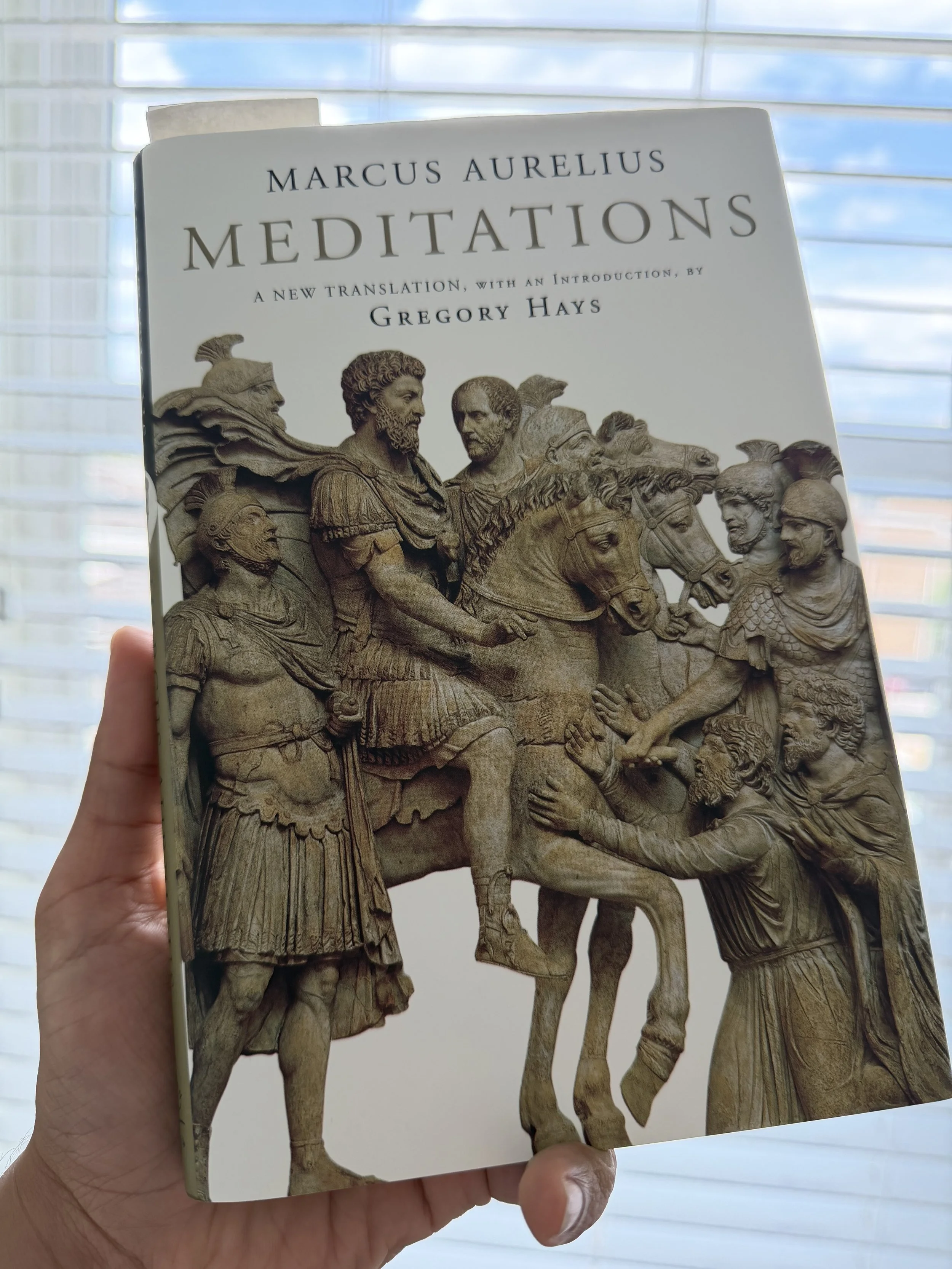
स्टोइसिजम (Stoicism) को बारेमा
आज हामी जसलाई स्टोइसिजम भनेर चिन्छौं, त्यो केवल व्यावहारिक रूपमा उपयोगी दर्शनहरूको एक समूह हो जसमा इतिहासका धेरैमानिसहरू सहमत भएका छन् वा विस्तार गरेका छन्। व्यक्तिगत स्टोइकहरू मार्कस जस्ता सम्राटहरूदेखि एपिक्टेटस जस्ता दासहरूसम्मरहेका छन्। तिनीहरू उच्च आध्यात्मिक र धार्मिक भएका छन्, तर तिनीहरू आफ्नो समयका देवताहरूमाथि शंका गर्ने संशयवादी (skeptics) पनि भएका छन्। तिनीहरू विभिन्न समय, धर्म र संस्कृतिहरूमा फैलिएका छन्, तर जीवनलाई हेर्ने तिनीहरूको व्यक्तिगत दर्शनका मुख्यसिद्धान्तहरू उल्लेखनीय रूपमा समान छन्। इब्न सिना (अविसेन्ना) र राजी, उदाहरणका लागि, इस्लामिक स्वर्ण युगका चिकित्सक र दार्शनिकथिए जसको स्टोइक दर्शनमा गहिरो चासो थियो। यो भन्न सकिन्छ कि लाओ त्जु, कन्फ्युसियस, जेन मास्टर इक्यू सोजुन वा हिन्दू अर्थशास्त्रीचाणक्य जस्ता केही पूर्वीय दार्शनिकहरू पनि कुनै न कुनै रूपमा स्टोइक थिए, किनभने आत्म-चिन्तन र सहनशीलताका बारेमा उनीहरूका धेरैविचारहरू पश्चिमका शास्त्रीय स्टोइकहरूसँग मिल्दोजुल्दो थिए। अझ रोचक कुरा के छ भने स्टोइक दर्शनहरूमा दोहोरिने सहनशीलता रधैर्यताका विषयवस्तुहरू ती विविध मानिसहरूको आफ्नो अस्तित्वको समयसँग सान्दर्भिक सरल अनुभवजन्य अवलोकनहरू थिए भन्नसकिन्छ।
On Stoicism
What we today identify as Stoicism is nothing but a set of practically useful philosophies that many men in history have come to agree or elaborate upon. Individual stoics have ranged from emperors like Marcus to slaves like Epictetus. They have been highly spiritual and pious, but they have also been skeptics who doubted the gods of their times. They span across different times, religions, and cultures, but the core tenets of their individual philosophies for approaching life remain strikingly similar. Ibn Sina (aka Avicenna) and Rhazes, for instance, were physicians and philosophers of the Islamic Golden Age with keen interest in Stoic philosophy. It could be said that some eastern philosophers like Lao Tzu, Confucius, Zen master Ikkyu Sojun, or even the Hindu economist Chanakya were in some ways Stoics, as many of their ideas on self-reflection and endurance resonated with those of the classical Stoics from the West.

नैतिक आक्रोश र न्युरोसाइन्स
छोटकरीमा, सामाजिक सञ्जालले हाम्रो स्वाभाविक आक्रोशको आगोमा घिउ थप्छ, र समाजभन्दा व्यक्तिलाई बढी फाइदा पुर्याउने प्रवृत्ति राख्छ। उनको तर्क छ कि प्रविधिले विचार व्यक्त गर्न एक क्लिक जत्तिकै सहज बनाएको छ, र त्यसैबीच हामीलाई जोसँग रिसाएका हुन्छौं ती मानिसबाट टाढा पनि पार्छ। वास्तविक जीवनभन्दा अनलाइनमा आक्रोश पोख्न धेरै सजिलो छ, र सामाजिक सञ्जालका ध्यान खिच्ने एल्गोरिदमले यो असरलाई अझ बढाउँछन्।
Moral outrage and neuroscience
When social media makes outrage this easy, our tolerance for displeasing information dwindles, and so does our threshold for outrage. We become easily triggered by merely disagreeable content and mistake it for something morally atrocious. Repeating this cycle, she argues, forms a habit of shaming people. The strange part is that we may not even feel outraged while doing so; her proposed mechanism is that repeated exposure dulls the empathetic distress we would normally feel when shaming or punishing someone in real life. If that holds, then unaware of it, we can slip into a vicious cycle.