

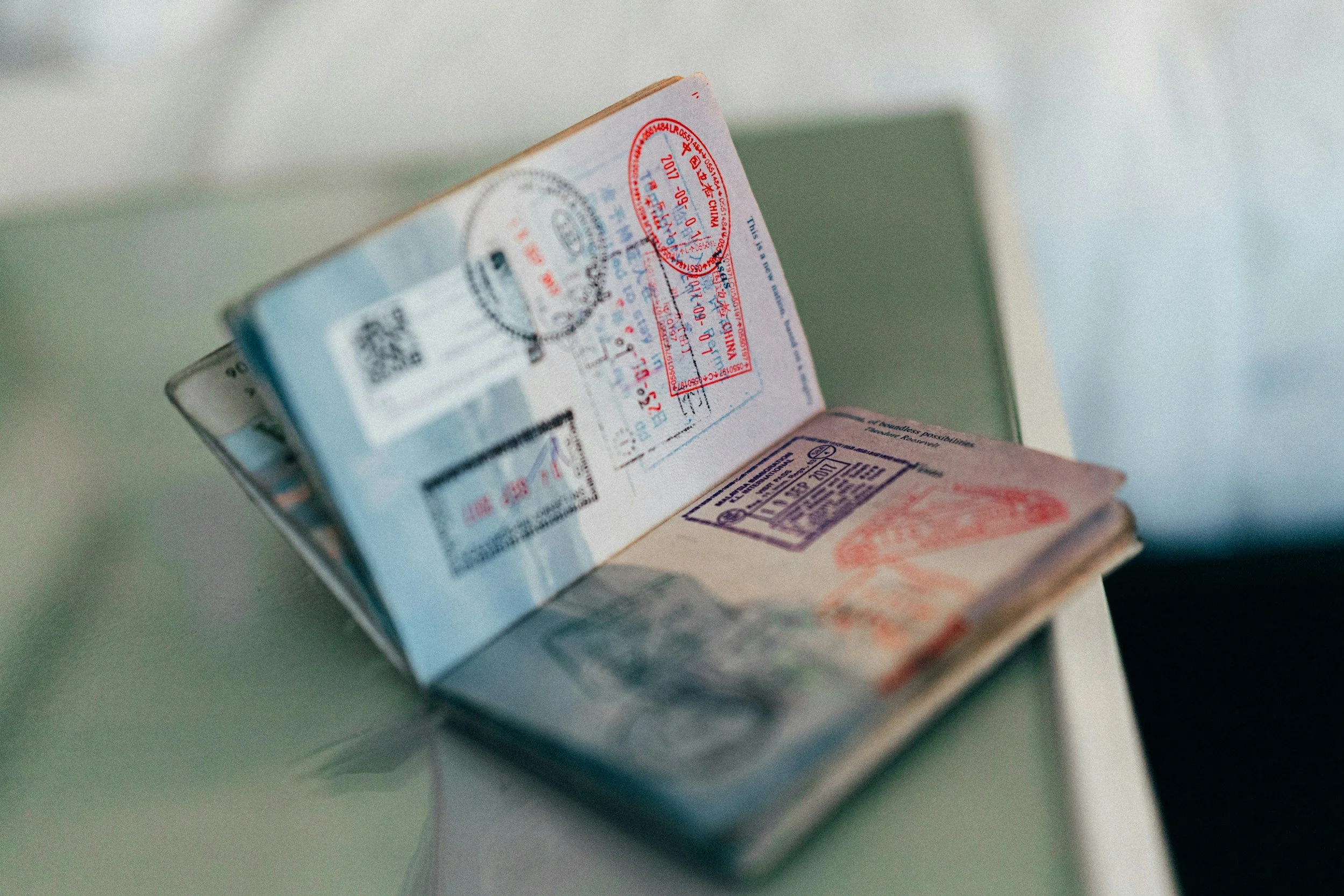
Necessary Evil: Visas part II
Think about it this way: how reasonable would it be to require citizens to carry passports just to travel between districts or cities within their own country? Imagine the friction, and the disparities in quality of life. By that logic, someone from Kathmandu could move freely across more than half of Nepal while someone of equal economic standing from Surkhet could not. How absurd would it sound for a New Yorker to need a passport to visit New Jersey or California? So how are nations really any different from cities when it comes to travel and migration? And if they are different, why do unions like the EU and the Schengen Area exist at all? I hold the radical view that visas, and the deliberate bureaucratic walls behind them, run against human nature. I tend to see them as an under-reported form of human rights violation, precisely because they fail to account for the moral failures of colonization and the asymmetrical resource extraction carried out by a powerful minority.
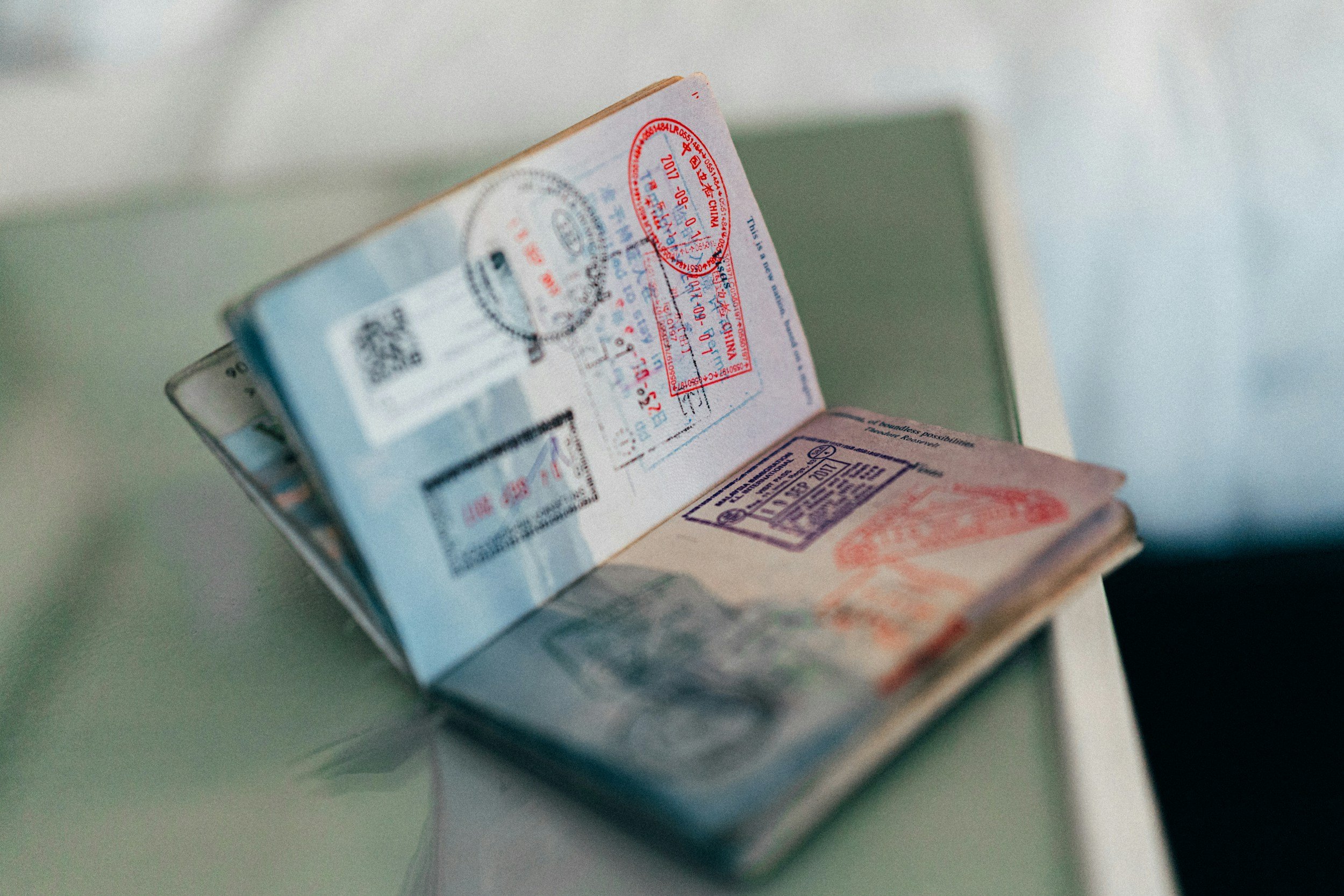
Necessary Evil: Visas part I
Another realization concerned the use of the terms “immigrant” and “expat.” An immigrant is usually presumed to be someone from a lower-income country who moves to an upper-middle- or high-income one for work and better opportunities. The same label is not applied to someone from a high-income nation who emigrates to a less wealthy country to live and work there; they are called “expats” or “nomads” instead. The term “immigrant,” I think, has evolved into a kind of pejorative — unless used purely descriptively — and now signals an unwarranted hierarchy born largely out of the consequences of colonialism. Something similar applies within international organizations: despite similar or even better qualifications, people from lower-income economies tend to be paid less than their wealthier counterparts for the same job description.
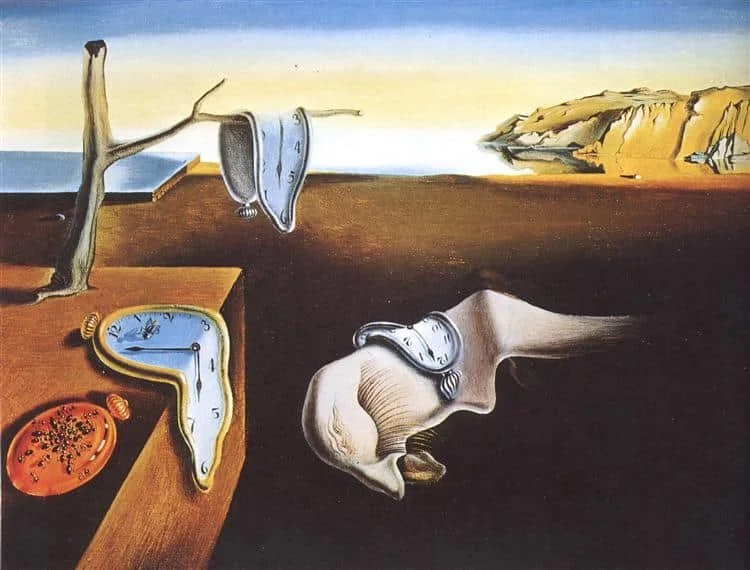
चेतनाको बारेमा
त्यसैले मस्तिष्क नै हाम्रो चेतन सजगता, व्यक्तित्व, स्मृति, रोजाइ, कार्य, रुचि र संवेदनशीलताको आसन हो भन्नेमा थोरै मात्र शंका छ। के ब्याक्टेरिया संवेदनशील छ? सायद छैन। के हामी छौं? हो, छौं — र त्यसको स्पष्ट जिम्मेवार हाम्रो मस्तिष्क हो।
अब, कोही-कोही “यो सबै मस्तिष्क हो” सुन्नेबित्तिकै विज्ञानले आफ्नो भित्री जीवनलाई नक्कली भनिरहेको ठान्छन् — र ठ्याक्कै यही डर गुरुहरूले फाइदा उठाउँछन्। त्यसैले म के होइन भन्दैछु, प्रस्ट पारौं। म तपाईंको अनुभव भ्रम हो, वा तपाईं “खाली रसायन मात्र” हो भन्दै छैन। तपाईंको भित्री जीवन पूर्ण रूपले वास्तविक छ — कल्पना, माया, शोक, संगीत, बिहानको चियाको स्वाद, सबै वास्तविक छन्। म त यति भन्दैछु कि यी मस्तिष्कले उत्पन्न गर्छ र मस्तिष्कबाट छुट्टिएर तैरिँदैनन्। पेटले पाचन उत्पन्न गरेजस्तै सोच्नुहोस्: पाचन वास्तविक छ, तर त्यो पेटमाथि तैरने छुट्टै पदार्थ होइन — त्यो त पेटले गर्ने काम हो। चेतना मस्तिष्कले गर्ने काम हो: एउटा साँचो, प्रथम-पुरुष अनुभव जुन एकैसाथ पूर्ण रूपले जैविक प्रक्रिया पनि हो — कुनै दोस्रो, प्रेतात्मक पदार्थको आवश्यकता छैन।
On Consciousness
“You are what your brain makes you, and your brain is nothing but the generator of your ‘self.’”
Most people know the nature-versus-nurture debate. To understand identity in the broadest sense, replace the “versus” with “and” — it is nature and nurture, because the two aren’t mutually exclusive. By nature I mean what’s largely outside human control — our genetic makeup, how the nervous system develops in the womb, diseases or injuries around birth or later. By nurture I mean the influence of society — the community we’re born into, our parents, our friends, our relationships. As we grow, the brain processes all this while still developing, and it processes it differently for everyone, because every brain is similar yet very different. These intricate interplays — plus the brain’s constant revising of memory and behavior — settle into a sense of identity, especially as the brain stops developing as rapidly after about 26 to 30 years of age, when a more rigid sense of self sets in.
This is also why “the brain is just a computer” undersells it. You can run the same program on very different machines, and in the same way a feeling like pain isn’t identical to one exact pattern of cells — an octopus, or one day perhaps a machine, could feel something while built completely differently. Mental life is fully physical, yet it can’t be flattened into a single tidy description of wiring: real, physical, and not reducible to one neat formula, all at once. (The textbook names for these positions are biological naturalism and non-reductive physicalism, but the plain idea matters more than the labels.) The mystics need you to believe science empties your inner life of meaning so they can sell the meaning back to you. It doesn’t, and you don’t need to buy it back.
स्टोइसिजम (Stoicism) को बारेमा
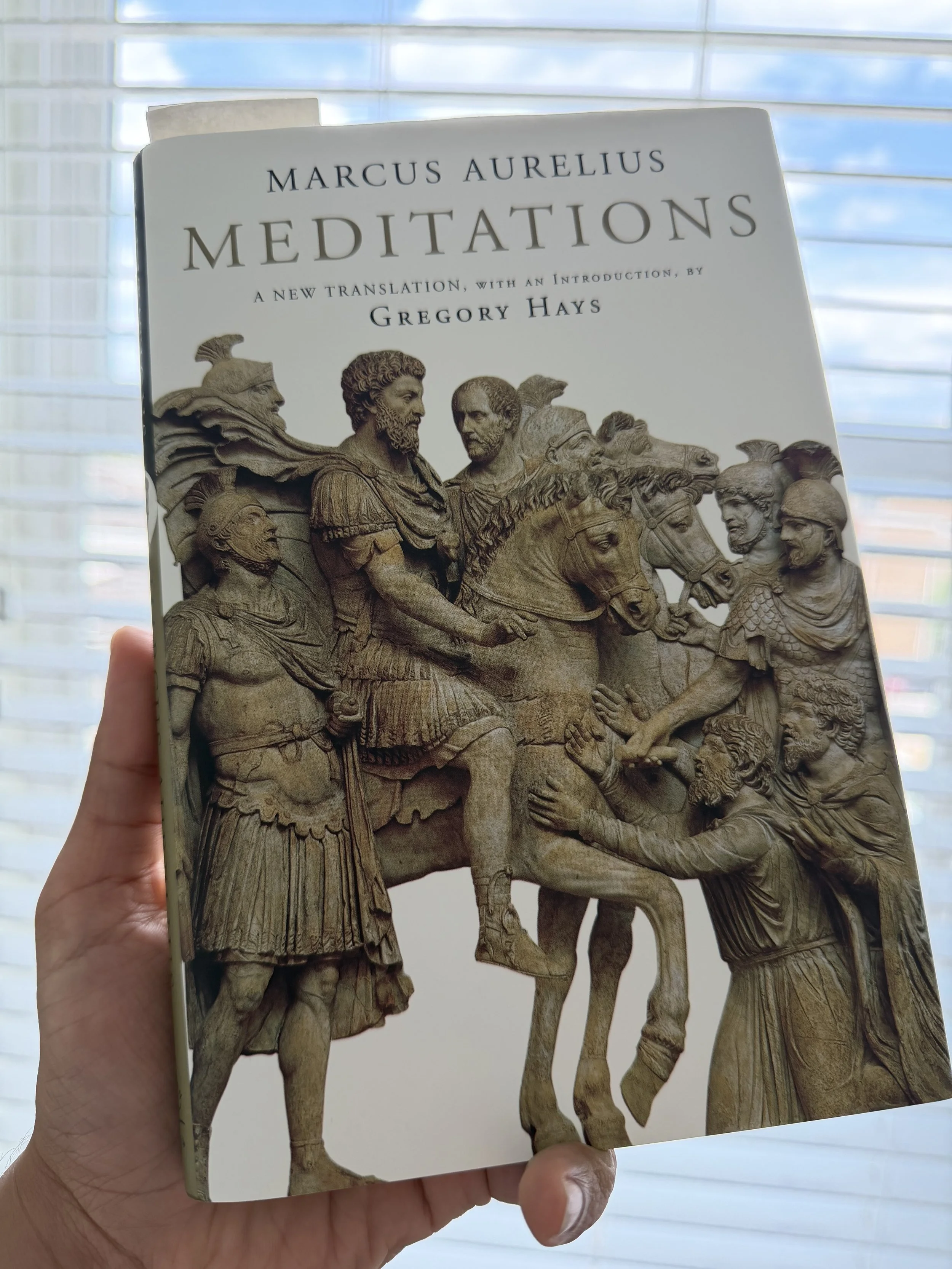
आज हामी जसलाई स्टोइसिजम भनेर चिन्छौं, त्यो केवल व्यावहारिक रूपमा उपयोगी दर्शनहरूको एक समूह हो जसमा इतिहासका धेरैमानिसहरू सहमत भएका छन् वा विस्तार गरेका छन्। व्यक्तिगत स्टोइकहरू मार्कस जस्ता सम्राटहरूदेखि एपिक्टेटस जस्ता दासहरूसम्मरहेका छन्। तिनीहरू उच्च आध्यात्मिक र धार्मिक भएका छन्, तर तिनीहरू आफ्नो समयका देवताहरूमाथि शंका गर्ने संशयवादी (skeptics) पनि भएका छन्। तिनीहरू विभिन्न समय, धर्म र संस्कृतिहरूमा फैलिएका छन्, तर जीवनलाई हेर्ने तिनीहरूको व्यक्तिगत दर्शनका मुख्यसिद्धान्तहरू उल्लेखनीय रूपमा समान छन्। इब्न सिना (अविसेन्ना) र राजी, उदाहरणका लागि, इस्लामिक स्वर्ण युगका चिकित्सक र दार्शनिकथिए जसको स्टोइक दर्शनमा गहिरो चासो थियो। यो भन्न सकिन्छ कि लाओ त्जु, कन्फ्युसियस, जेन मास्टर इक्यू सोजुन वा हिन्दू अर्थशास्त्रीचाणक्य जस्ता केही पूर्वीय दार्शनिकहरू पनि कुनै न कुनै रूपमा स्टोइक थिए, किनभने आत्म-चिन्तन र सहनशीलताका बारेमा उनीहरूका धेरैविचारहरू पश्चिमका शास्त्रीय स्टोइकहरूसँग मिल्दोजुल्दो थिए। अझ रोचक कुरा के छ भने स्टोइक दर्शनहरूमा दोहोरिने सहनशीलता रधैर्यताका विषयवस्तुहरू ती विविध मानिसहरूको आफ्नो अस्तित्वको समयसँग सान्दर्भिक सरल अनुभवजन्य अवलोकनहरू थिए भन्नसकिन्छ।
On Stoicism
What we today identify as Stoicism is nothing but a set of practically useful philosophies that many men in history have come to agree or elaborate upon. Individual stoics have ranged from emperors like Marcus to slaves like Epictetus. They have been highly spiritual and pious, but they have also been skeptics who doubted the gods of their times. They span across different times, religions, and cultures, but the core tenets of their individual philosophies for approaching life remain strikingly similar. Ibn Sina (aka Avicenna) and Rhazes, for instance, were physicians and philosophers of the Islamic Golden Age with keen interest in Stoic philosophy. It could be said that some eastern philosophers like Lao Tzu, Confucius, Zen master Ikkyu Sojun, or even the Hindu economist Chanakya were in some ways Stoics, as many of their ideas on self-reflection and endurance resonated with those of the classical Stoics from the West.

नैतिक आक्रोश र न्युरोसाइन्स
छोटकरीमा, सामाजिक सञ्जालले हाम्रो स्वाभाविक आक्रोशको आगोमा घिउ थप्छ, र समाजभन्दा व्यक्तिलाई बढी फाइदा पुर्याउने प्रवृत्ति राख्छ। उनको तर्क छ कि प्रविधिले विचार व्यक्त गर्न एक क्लिक जत्तिकै सहज बनाएको छ, र त्यसैबीच हामीलाई जोसँग रिसाएका हुन्छौं ती मानिसबाट टाढा पनि पार्छ। वास्तविक जीवनभन्दा अनलाइनमा आक्रोश पोख्न धेरै सजिलो छ, र सामाजिक सञ्जालका ध्यान खिच्ने एल्गोरिदमले यो असरलाई अझ बढाउँछन्।
Moral outrage and neuroscience
When social media makes outrage this easy, our tolerance for displeasing information dwindles, and so does our threshold for outrage. We become easily triggered by merely disagreeable content and mistake it for something morally atrocious. Repeating this cycle, she argues, forms a habit of shaming people. The strange part is that we may not even feel outraged while doing so; her proposed mechanism is that repeated exposure dulls the empathetic distress we would normally feel when shaming or punishing someone in real life. If that holds, then unaware of it, we can slip into a vicious cycle.