

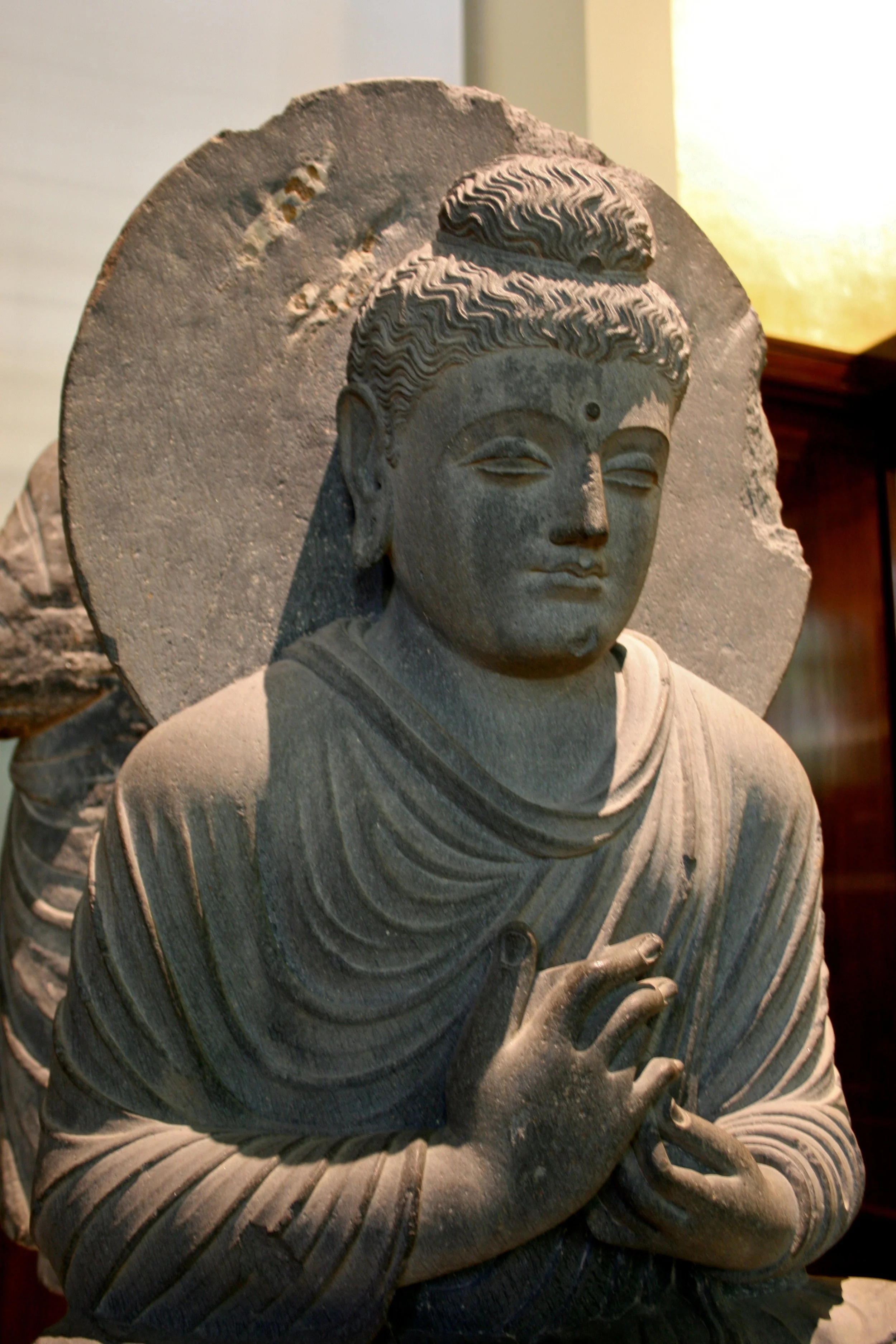
बुद्ध नेपाली थिएनन्
इतिहासले बारम्बार देखाउने कुरा यही हो — परम्पराले दाबी गर्ने कुरा र प्रमाणले पुष्टि गर्ने कुराबीचको खाडल। जन्मका शाब्दिक कथा, मिथकीकृत उत्पत्ति र प्राचीन गुरुहरूको दैवी पूर्णतामा टाँसिइरहनुले हाम्रो बुझाइलाई हामी जन्मनुभन्दा धेरै अघि नै तोडमोड गरिएका राजनीतिक कालक्रमसँग बाँधिदिन्छ। बरु ऐतिहासिक मिथकलाई दार्शनिक ज्ञानबाट अलग गर्नु उत्तम हो। सन्देशवाहकको देवत्वकरण गर्न छाडेपछि विकृतिहरू फ्याँकेर काम लाग्ने कुरा मात्र राख्न सकिन्छ — बुद्धको दुःख र त्यसको निवारणसम्बन्धी विश्लेषण।
Buddha was not Nepali
What modern critical history keeps showing is a gap between what tradition asserts and what the evidence supports. Clinging to literal birth stories, mythologized origins and the divine perfection of ancient teachers ties our understanding to political timelines that were manipulated long before we were born. The better move is to decouple historical myth from philosophical wisdom. Let go of deifying the messenger and you can discard the distortions while keeping what is useful — the Buddha’s account of suffering and its dismantling, Jesus’s insistence on empathy and the protection of the marginalized.
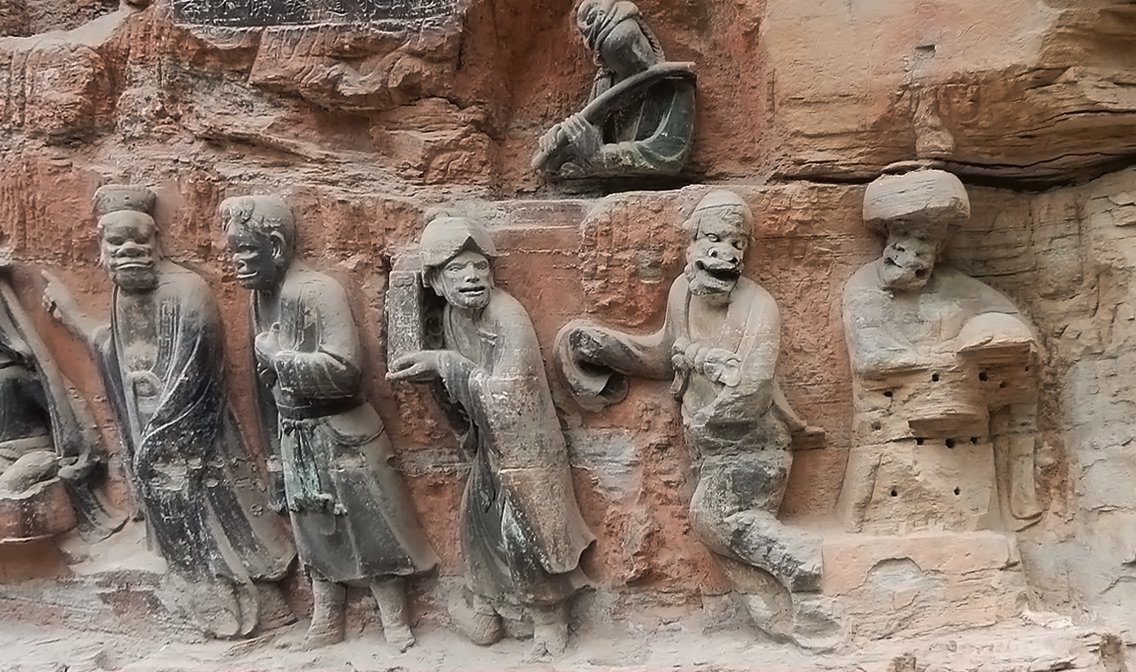
भारतीय दर्शनमा हराएका नास्तिक परम्परा
वैदिक परम्परा सर्वसाधारणका लागि खुला थिएन; ती केवल ब्राह्मणहरू मार्फत आउँथे, जसले यस विषयमा वंशानुगत र दैवी अधिकार भएको दाबीगर्थे। मनुस्मृति जस्ता ग्रन्थअनुसार, वैश्य अर्थात् व्यापारी वर्ग वा शूद्र अर्थात् अछुतले चारै वेद पढे पनि ‘चतुर्वेदी’ बन्न सक्दैनथे। त्यो ब्राह्मण पुरुष नैहुनुपर्थ्यो, र मनुस्मृतिले ब्राह्मण बन्न अत्यन्त कठोर र पीडादायी नियम तथा परम्परा तोकेको छ—जसको सुरुवात नै वंश र जन्मबाट हुन्छ। त्यसैले इपूसातौँ वा छैटौँ शताब्दी आसपास भारतीय उपमहाद्वीपमा केही नास्तिक विचारधाराहरू देखा परे। यो काल श्रमण वा समान आन्दोलनको उदयलेचिनिन्छ—परम्परागत रूपमा द्वारपालित वैदिक कर्मकाण्डवाद, अर्थात् ब्राह्मणवाद, बाट टाढा जाने एक प्रकारको वैकल्पिक दार्शनिक मोड। यीप्रतिपक्षी विचारहरूमा चार्वाक, आजीविक, अज्ञान, जैन र बौद्ध विचार पर्थे। यी कुलीन वंशपरम्पराले नियन्त्रण गर्ने गरी बनेका थिएनन्; जात वा वर्गजेसुकै भए पनि सबैका लागि पहुँचयोग्य थिए।
The lost atheistic schools in Indian philosophy
Vedic traditions were not accessible to the common public and only came through Brahmins, who claimed to have an inherited and divine authority on the matter. For instance, according to scriptures such as the Manu Smriti, a Vaisya (merchant class) or a Sudra (untouchable) could not become a “Chaturvedi” even if they read all four Vedas. It had to be a Brahmin man, and the Manu Smriti provides extremely rigorous and painful rules and traditions for becoming a Brahmin—it starts with inheritance and birth. Thus, around the 7th or 6th century BCE, some atheistic schools of thought emerged in the Indian subcontinent. This era was marked by the advent of the Sramana (or Samana) movement—a sort of heterodox philosophical shift away from traditional gatekept Vedic ritualism, also known as Brahminism. These opposing ideas included Charvaka, Ajivika, Agyana, Jainism, and Buddhism. They were not designed to be gatekept by a lineage of elites and were accessible to all regardless of caste or class. Buddhism and Jainism stood out among atheistic Sramana thought and became more popular, spreading further as they received endorsement from powerful kingdoms (for example, the Maurya king Ashok adopting and evangelizing Buddhism) and influential merchant classes. But Charvaka, Ajivika, and Agyana are not as well-known because their original texts perished gradually around the medieval era, though recollections and discussions of them exist in later secondary Hindu, Buddhist, and Jain texts. In this blog, I will focus only on Charvaka, Ajivika, and Agyana philosophy. Buddhist, Jain, and Samkhya ideas deserve their own blogs.