

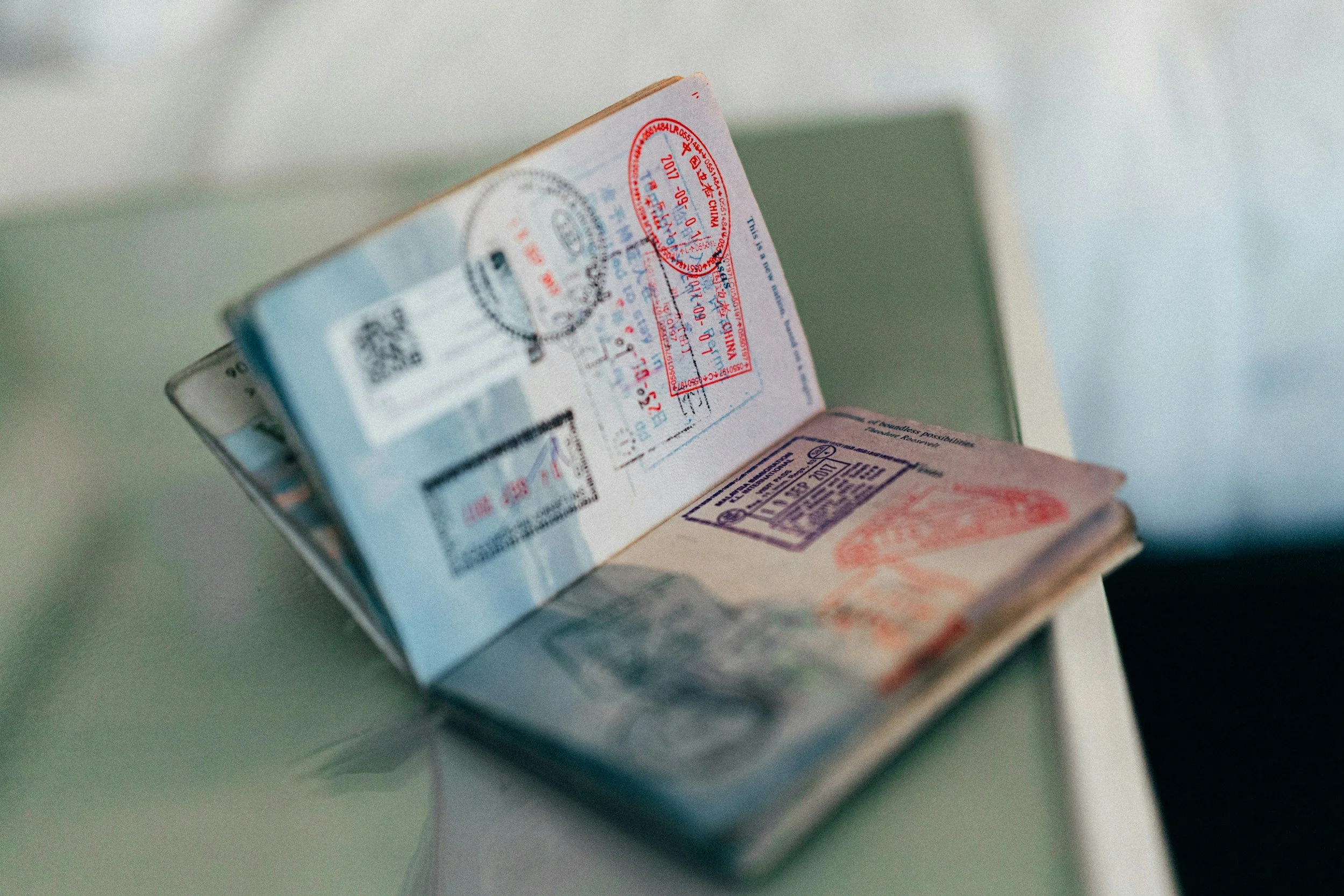
Necessary Evil: Visas part II
Think about it this way: how reasonable would it be to require citizens to carry passports just to travel between districts or cities within their own country? Imagine the friction, and the disparities in quality of life. By that logic, someone from Kathmandu could move freely across more than half of Nepal while someone of equal economic standing from Surkhet could not. How absurd would it sound for a New Yorker to need a passport to visit New Jersey or California? So how are nations really any different from cities when it comes to travel and migration? And if they are different, why do unions like the EU and the Schengen Area exist at all? I hold the radical view that visas, and the deliberate bureaucratic walls behind them, run against human nature. I tend to see them as an under-reported form of human rights violation, precisely because they fail to account for the moral failures of colonization and the asymmetrical resource extraction carried out by a powerful minority.
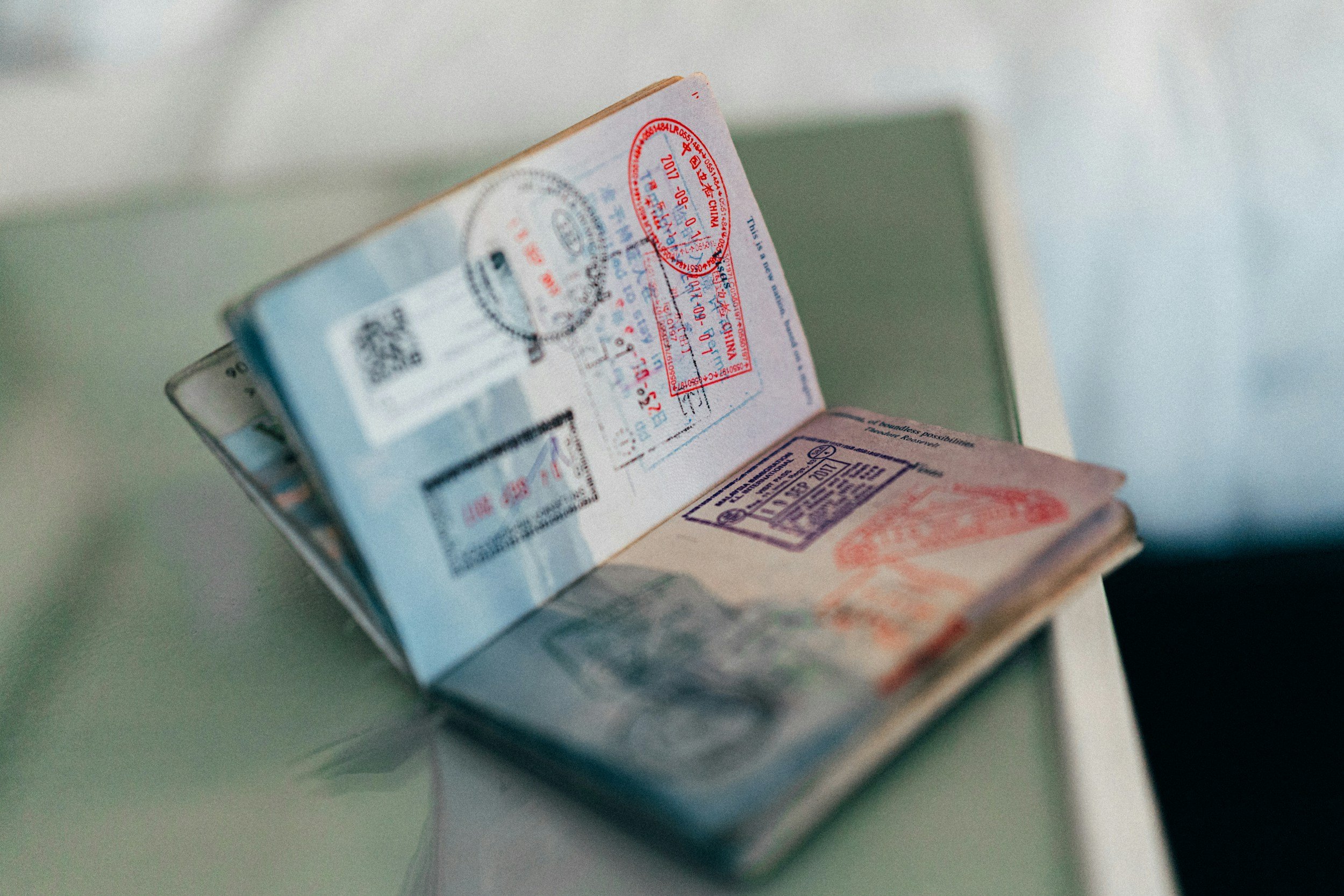
Necessary Evil: Visas part I
Another realization concerned the use of the terms “immigrant” and “expat.” An immigrant is usually presumed to be someone from a lower-income country who moves to an upper-middle- or high-income one for work and better opportunities. The same label is not applied to someone from a high-income nation who emigrates to a less wealthy country to live and work there; they are called “expats” or “nomads” instead. The term “immigrant,” I think, has evolved into a kind of pejorative — unless used purely descriptively — and now signals an unwarranted hierarchy born largely out of the consequences of colonialism. Something similar applies within international organizations: despite similar or even better qualifications, people from lower-income economies tend to be paid less than their wealthier counterparts for the same job description.